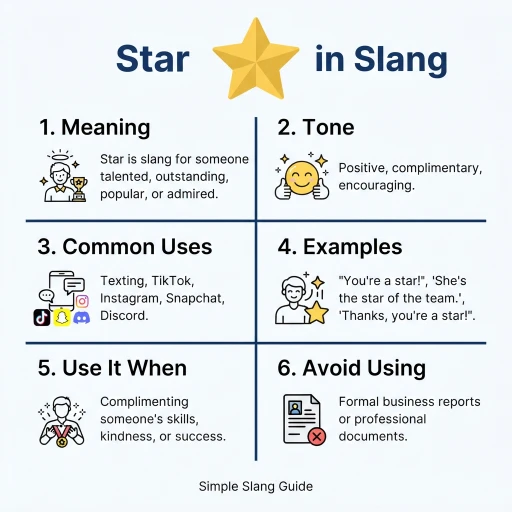
Star meaning slang usually refers to someone who is outstanding, talented, attractive, or admired by others. People often call someone a “star” as a compliment to praise their skills, personality, or achievements. Depending on the situation, star can also describe a popular celebrity or be used as a playful nickname in conversations and social media.
Many people search for star meaning slang after seeing it in a text message, a TikTok comment, an Instagram caption, or an online chat. While the word has a simple dictionary meaning, its slang use often carries a warmer, more personal tone.
In this guide, you’ll learn what star means in slang, where people use it, whether it’s offensive, how it changes depending on context, and how to use it naturally in everyday conversations.
Quick Answer: Star Meaning Slang
In slang, “star” is a compliment used to describe someone who is excellent, impressive, talented, kind, or admired. It can also refer to a famous person or someone who stands out from others. The meaning depends on the conversation, but it is usually positive and friendly.
What Does Star Mean in Slang?
In slang, star is an informal way to praise someone.
If someone calls you a star, they usually mean that you did something really well or that you’re an amazing person.
Unlike many internet slang words, star is easy to understand because it builds on the idea that stars shine brightly. Calling someone a star suggests they stand out in a positive way.
For example:
- “You’re a star for helping me today.”
- “She was the star of the team.”
Different Meanings of “Star” in Slang
The slang meaning of star changes slightly depending on the situation.
| Meaning | Context | Tone |
| Outstanding person | Everyday conversation | Positive |
| Helpful person | Friends or family | Friendly |
| Talented individual | School, sports, music | Positive |
| Celebrity | Entertainment | Neutral |
| Favorite person | Social media | Affectionate |
Although these meanings are related, the surrounding conversation helps determine which one is intended.
1. Star as a Compliment
This is the most common slang meaning.
Calling someone a star means they have done something wonderful or deserve praise.
Examples
- “You’re an absolute star for bringing my books.”
- “Thanks for covering my shift. You’re a star.”
Here, star simply means an excellent or helpful person.
2. Star as a Talented Person
People also use star to describe someone with exceptional talent.
This meaning appears in sports, music, acting, gaming, and school.
Examples
- “She’s the star player this season.”
- “He’s becoming a star programmer.”
The person may not be famous—they simply stand out because of their ability.
3. Star as a Celebrity
Sometimes star refers to a well-known public figure.
Examples include:
- movie star
- pop star
- sports star
- TV star
Although this meaning isn’t exclusive to slang, it’s commonly used in casual speech.
Example:
“That movie star just opened a new restaurant.”
4. Star as an Affectionate Nickname
Friends, parents, teachers, and partners sometimes use star as a nickname.
Examples:
- “Good job, star!”
- “Come here, little star.”
- “You’re my star.”
This usage expresses affection, encouragement, or pride.
Does “Star” Have a Full Form?
No.
Star is not an abbreviation or acronym.
It does not stand for multiple words.
Instead, it is a regular English word that people also use informally as slang.
If someone asks for the “full form of star,” the correct answer is that there isn’t one.
Where Is Star Commonly Used?
The slang word star appears in many everyday situations.
Text Messages
People use it to thank or compliment friends.
Example
“Thanks for helping me today. You’re a star.”
Social Media
On platforms like TikTok, Instagram, Facebook, and X, users often call creators or friends “stars” to show admiration.
Example:
“She’s an absolute star.”
Gaming
Gamers sometimes describe highly skilled teammates as the team’s “star player.”
Example:
“Our sniper was the star of that match.”
School
Teachers often use star as positive encouragement.
Examples:
- “You’re a star student.”
- “Well done, star!”
Workplace
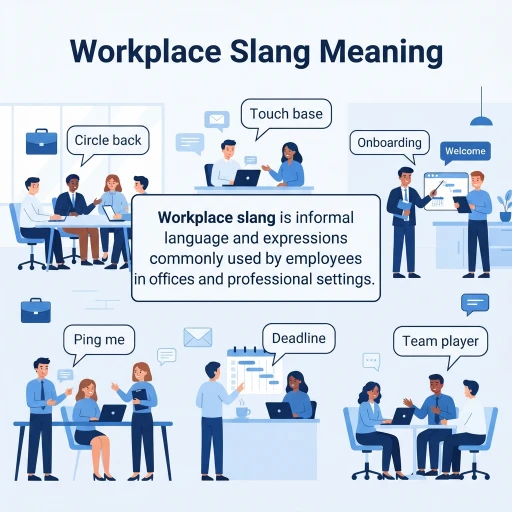
In informal workplaces, colleagues may use star to thank each other.
Example:
“You finished the report already? You’re a star.”
Professional emails, however, usually avoid this expression because it is very casual.
Is “Star” Rude, Offensive, or Harmless?
For most situations, star is harmless and positive.
| Situation | Appropriate? |
| Friends | ✅ Yes |
| Family | ✅ Yes |
| School | ✅ Yes |
| Social Media | ✅ Yes |
| Gaming | ✅ Yes |
| Workplace Chat | ✅ Usually |
| Formal Business Email | ⚠️ Better avoided |
Unlike many slang terms, star is not considered offensive.
However, tone matters. In rare cases, people may use it sarcastically, such as:
“Well done, superstar…”
Here, the speaker may actually be criticizing someone instead of praising them.
Real-Life Examples of “Star” in Slang
The easiest way to understand star meaning slang is by seeing how people use it in everyday conversations. In most cases, star is a friendly compliment that makes someone feel appreciated.
Friends
Person A: “Thanks for helping me move yesterday.”
B: “No problem!”
A: “You’re a star!”
Family
Mom: “You cleaned your room without being asked.”
Dad: “You’re a little star.”
School
Teacher: “Excellent work on your science project.”
Teacher: “You’re a star student.”
Workplace
Manager: “You solved that customer issue quickly.”
Coworker: “You’re a star.”
Gaming
Player 1: “That was an amazing save!”
Player 2: “Our goalkeeper is the star of the team.”
Social Media
- “She’s an absolute star.”
- “You’re a star for sharing this tip.”
- “That creator is the real star here.”
Text Messages
Friend: “I picked up your order.”
You: “Thanks! You’re a star ⭐”
Adding the ⭐ emoji often makes the compliment feel even warmer.
Origin and History of “Star” as Slang
The word star has been part of English for centuries, originally referring to the bright objects seen in the night sky.
Its figurative meaning developed much later. Because stars shine brightly and attract attention, English speakers began using star to describe people who stood out because of their talent, success, or popularity. This usage became especially common in the entertainment industry, where actors and musicians were called stars.
Over time, the meaning expanded beyond celebrities. Today, calling someone a star is a simple way to say they are helpful, talented, or deserve praise.
Although the exact moment when this compliment became everyday slang is difficult to identify, it has been widely used in informal English for many decades and remains common today.
Why Do People Use “Star”?
People use star because it is a short, positive, and friendly compliment.
Instead of saying:
- “You’re amazing.”
- “You’re very helpful.”
- “You did a great job.”
They simply say:
“You’re a star.”
This makes conversations feel natural and encouraging.
People often use star to:
- Thank someone for helping.
- Praise good work.
- Encourage children.
- Compliment friends.
- Recognize talent.
- Show appreciation.
Because it is positive and easy to understand, star is used by people of all ages.
How “Star” Is Used on Different Platforms
The meaning of star stays mostly the same across platforms, but the tone can change slightly depending on where it’s used.
| Platform | Common Use | Example |
| Text Messages | Thanking someone | “You’re a star!” |
| TikTok | Complimenting creators | “She’s a star ⭐” |
| Admiring someone | “Absolute star!” | |
| Snapchat | Friendly praise | “You’re a star.” |
| Discord | Praising teammates | “You’re the team’s star.” |
| Positive comment | “This user is a star for explaining it.” | |
| Gaming | Best player | “MVP! You’re the star.” |
On TikTok
Users often describe creators as stars when they make entertaining or inspiring videos.
Example:
“This creator is a star.”
On Instagram
People use star in captions and comments to compliment friends, influencers, athletes, and artists.
Example:
“Looking like a star!”
On Discord
Gaming communities often call the best-performing teammate the star player.
Example:
“Our healer was the star of the raid.”
On Reddit
Reddit users frequently thank helpful contributors by calling them a star.
Example:
“You’re a star for posting this guide.”
Similar Slang and Related Terms
If someone calls you a star, they might also use one of these similar expressions.
| Slang | Meaning | Tone |
| Legend | Someone impressive | Positive |
| GOAT | Greatest of all time | Very positive |
| MVP | Most valuable person/player | Positive |
| Champ | Successful person | Friendly |
| Hero | Helpful person | Positive |
| Ace | Highly skilled person | Positive |
| Superstar | Extremely talented person | Very positive |
| King / Queen | Someone admired | Positive (informal) |
Although these expressions are similar, star is one of the safest and most universally understood compliments.
Is “Star” Popular Today?
Yes. Star remains popular because it is timeless and easy to understand.
Unlike some internet slang that quickly becomes outdated, star has stayed in everyday English for many years. It is commonly used by:
- Children
- Teenagers
- Adults
- Parents
- Teachers
- Sports coaches
- Office workers
The expression is particularly common in British English, where “You’re a star” is a natural and friendly way to thank or praise someone. It is also commonly understood in the United States, Canada, Australia, and other English-speaking regions.
When Should You Avoid Using “Star”?
Although star is a friendly expression, there are situations where another phrase may be more appropriate.
Avoid using it when:
- Writing formal business emails.
- Communicating with clients in highly professional settings.
- Speaking to someone who may misunderstand casual compliments.
- The tone of the conversation is serious or sensitive.
Also be careful with sarcasm. If you say:
“Nice job, superstar.”
with a mocking tone, it can sound like criticism instead of praise.
In professional settings, phrases such as “Great work,” “Excellent job,” or “Thank you for your help” are usually better choices.
Common Misunderstandings About “Star”
Some people become confused because star has several meanings in English.
Here are a few common misconceptions:
It Always Means a Celebrity
Not true. While star can refer to a famous actor or singer, in slang it often simply means someone who is helpful or impressive.
It Is an Acronym
No. Star is a regular English word, not an abbreviation or acronym.
It Is Only Used by Young People
False. People of all ages use star in everyday conversations.
It Is Internet Slang Only
No. Although it appears on social media, star has been used as a spoken compliment for many years.
Frequently Asked Questions (FAQs)
Q1:What does “star” mean in slang?
In slang, star is a positive compliment. It usually means someone is talented, helpful, kind, impressive, or deserving of praise. People often say “You’re a star” to thank or encourage someone.
Q2:Is “star” a slang word?
Yes. While star is also a standard English word, it is commonly used as slang to compliment someone in casual conversations, text messages, and on social media.
Q3:Does “star” have a full form?
No. Star is not an abbreviation or acronym. It is a regular English word with both literal and informal meanings.
Q4:Is calling someone a “star” a compliment?
Yes. In almost every situation, calling someone a star is meant as a compliment. It shows admiration, appreciation, or respect.
Example:
“Thanks for helping me move. You’re a star!”
Q5:Is “star” rude or offensive?
No. Star is generally harmless and friendly. However, if someone says it sarcastically, the tone may sound critical instead of complimentary.
Q6:Can I use “star” at work?
Yes, but only in casual workplace conversations or team chats.
Instead of saying:
“You’re a star.”
A more professional alternative in formal emails would be:
- Thank you for your assistance.
- Excellent work.
- I appreciate your help.
Q7:What does “you’re a star” mean?
“You’re a star” means:
- You’re amazing.
- You’re very helpful.
- You did a great job.
- I appreciate what you did.
It is one of the most common and friendly ways to compliment someone.
Q8:Is “star” commonly used on social media?
Yes. People frequently use star on platforms like TikTok, Instagram, Snapchat, Reddit, Facebook, X (formerly Twitter), and Discord to praise creators, friends, teammates, or helpful community members.
Q9:Who usually says “star”?
People of all ages use this expression, including:
- Friends
- Parents
- Teachers
- Students
- Coworkers
- Coaches
- Gamers
- Social media users
Unlike some trendy slang terms, star is understood across different generations.
Q9:Can “star” have different meanings?
Yes. Depending on the context, star can mean:
- A talented person
- A helpful person
- A celebrity
- The best performer in a group
- An affectionate nickname
The surrounding conversation usually makes the intended meaning clear.
Key Takeaways
Here are the most important points to remember about star meaning slang:
- Star is a positive slang term used to praise someone.
- It usually means a person is talented, kind, helpful, or impressive.
- The phrase “You’re a star” is a common compliment.
- It is widely used in text messages, social media, gaming, schools, and everyday conversations.
- Star is not an acronym and has no full form.
- It is generally safe, polite, and suitable for informal conversations.
- The meaning depends on context, but it is almost always positive.
Conclusion
The star meaning slang is simple but meaningful. When someone calls you a star, they are usually expressing admiration, appreciation, or gratitude. Whether you’ve helped a friend, performed well in a game, completed an important task, or simply made someone’s day better, being called a star is a genuine compliment.
One reason this expression has remained popular for so many years is its versatility. It works naturally in conversations with friends, family, classmates, teammates, and coworkers, and it is widely recognized across English-speaking countries. Unlike many internet slang terms that quickly fade from use, star continues to feel warm, positive, and timeless.
If you’re unsure how to respond when someone says, “You’re a star,” a simple “Thank you!” is always appropriate. Understanding expressions like this can help you communicate more confidently in texts, social media, and everyday English.
Read More About!

My name is Olivia Bennett.I am a language enthusiast and educational writer with a strong interest in contemporary English and digital communication. I enjoys making language learning engaging and accessible.